Build students' capacity to thrive safely online.
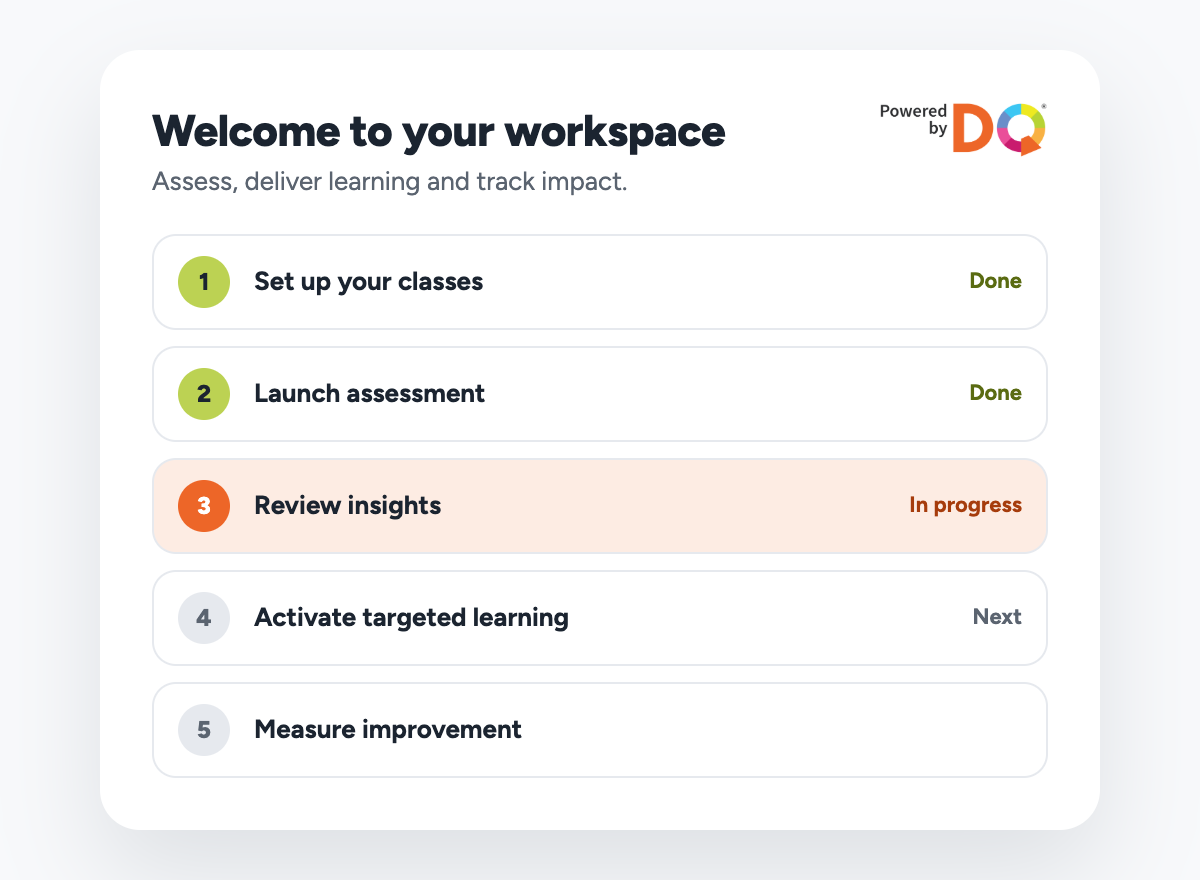
Understand students’ competency and cyber-risk exposure. Turn the gaps identified into targeted learning, then measure what improves—across students, classes, schools and entire networks.
Aligned with your curriculum and grounded in globally recognized child online safety and digital-citizenship frameworks.
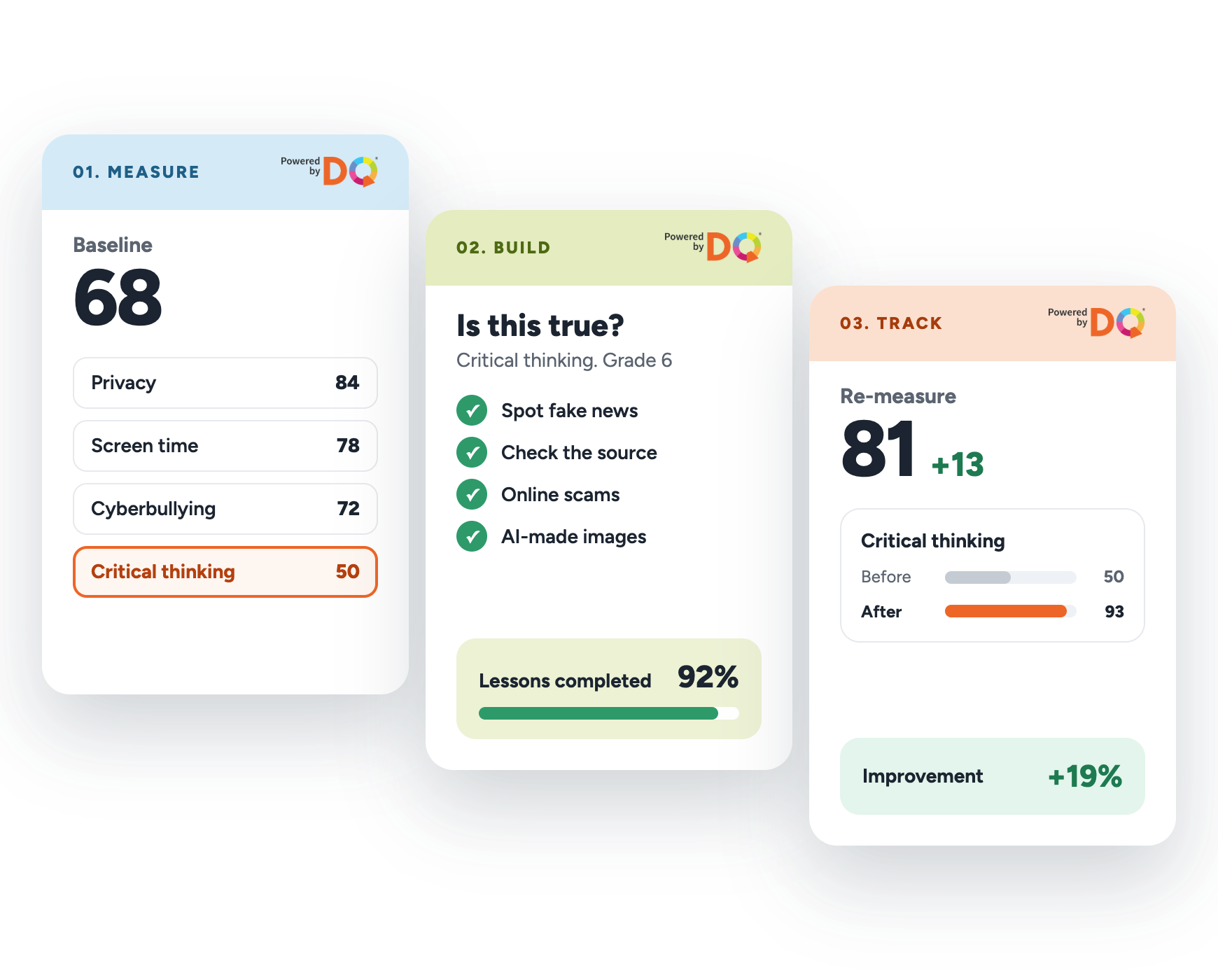
Move from one-off lessons tomeasurable, continuous improvement.
It helps schools understand what students need, deliver learning targeted to those needs, and measure what changes. The cycle can be repeated as risks, priorities and student needs evolve.
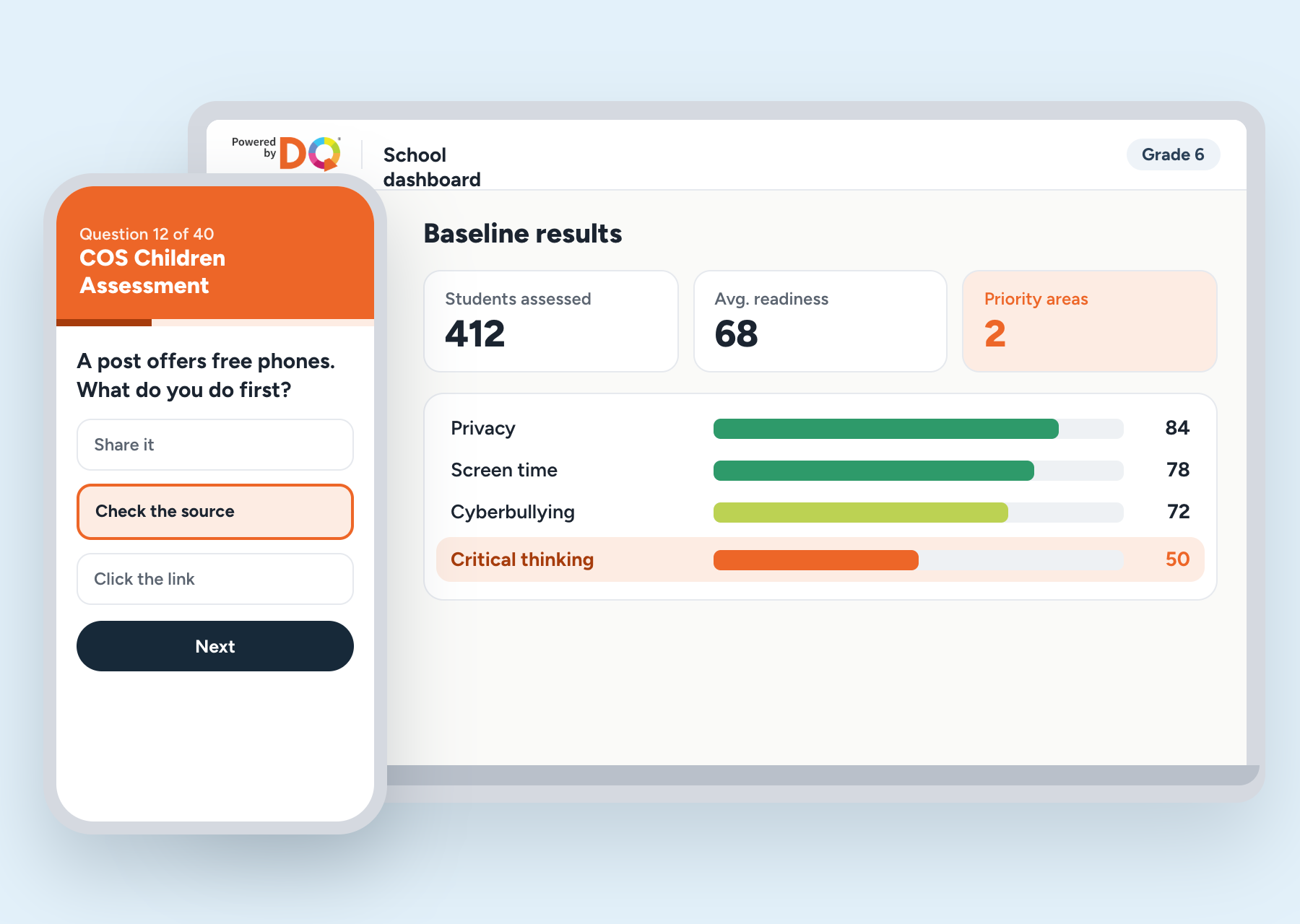
Establish a trusted baseline.
The COS Children Assessment measures students’ digital-citizenship readiness, cyber-risk exposure and priority support needs.
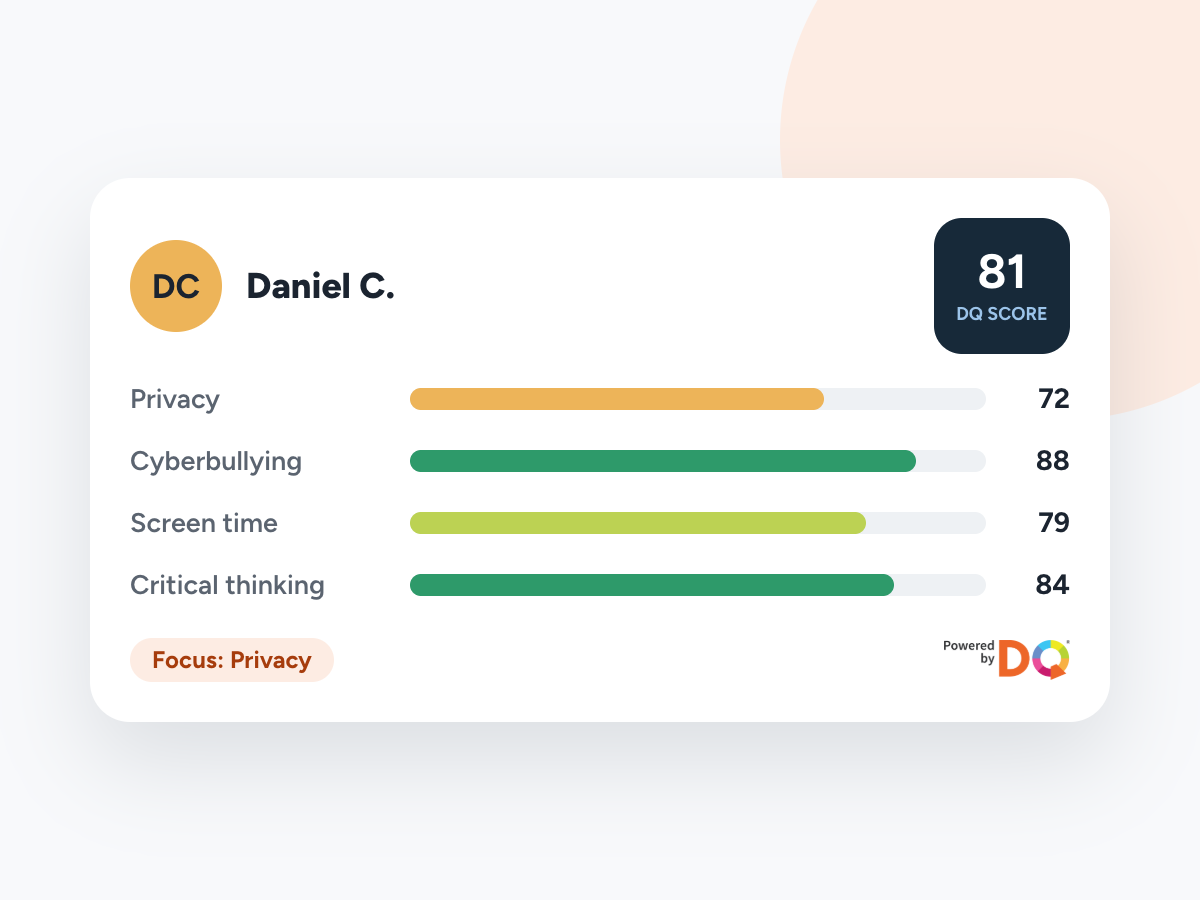
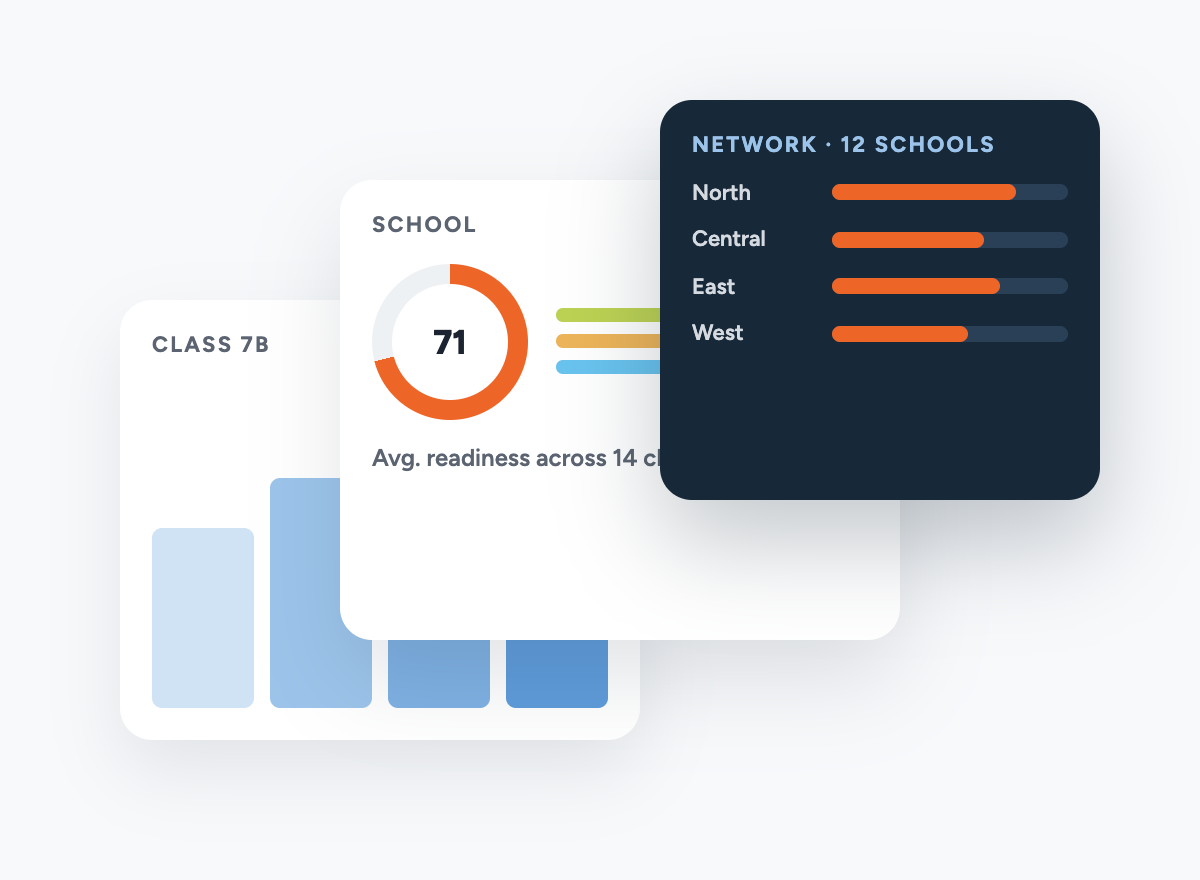
Individual scorecards and class, school and network dashboards show where students are doing well, where vulnerabilities exist and where intervention should begin.
- Individual student scorecards
- Class, grade, school and network dashboards
- Readiness and cyber-risk profiles
- Priority areas for targeted support
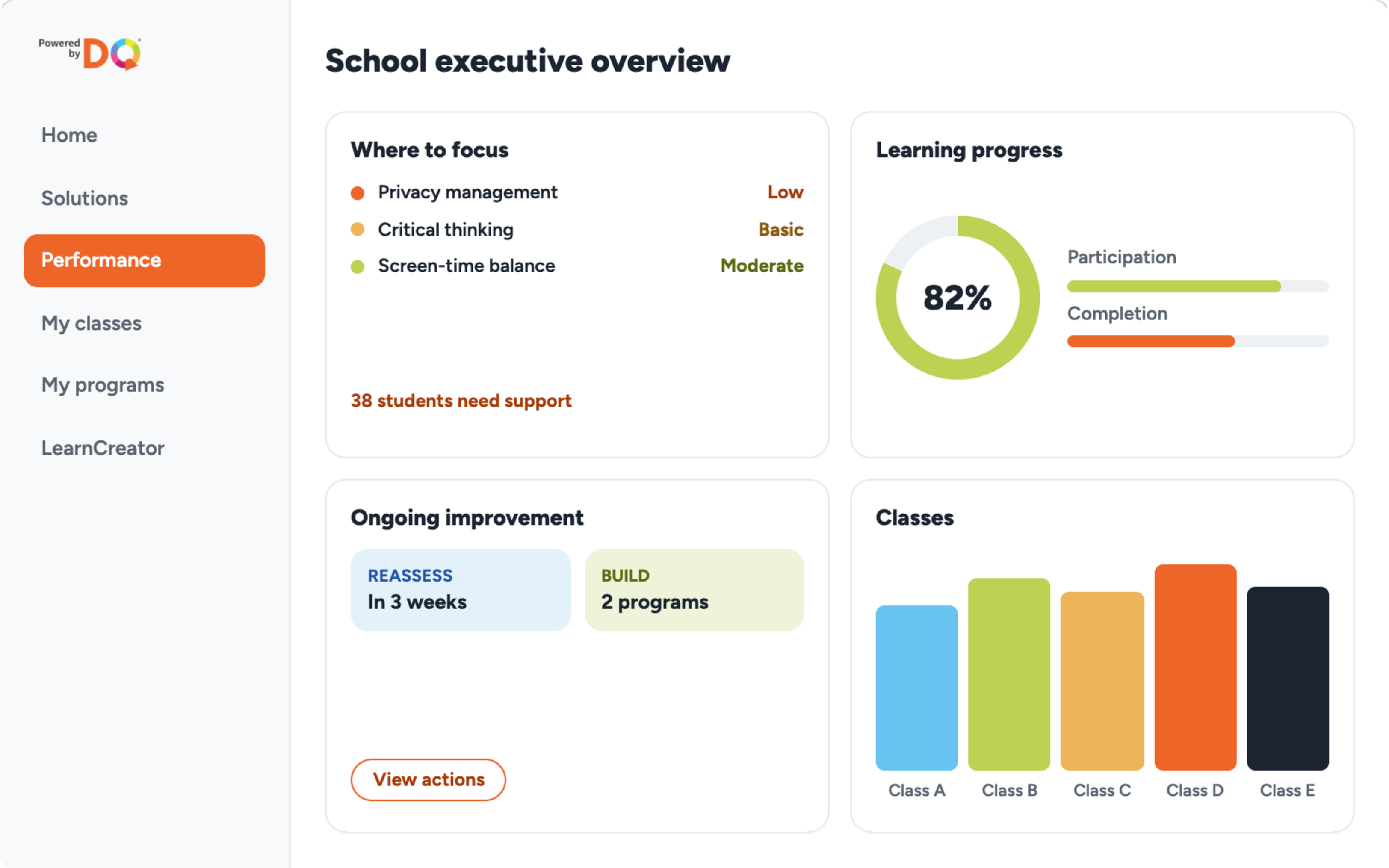
Continuous learning, with impact you can monitor.
Connect competency and risk assessments, targeted learning, and impact monitoring in one continuous cycle. Identify where students need support, address their learning gaps, and track progress over time—so each round of learning informs the next.
Dashboards help teachers, school leaders, and network administrators turn assessment and learning data into practical next steps:
- Identify where to focus. Priority risks, competency gaps, and who needs support.
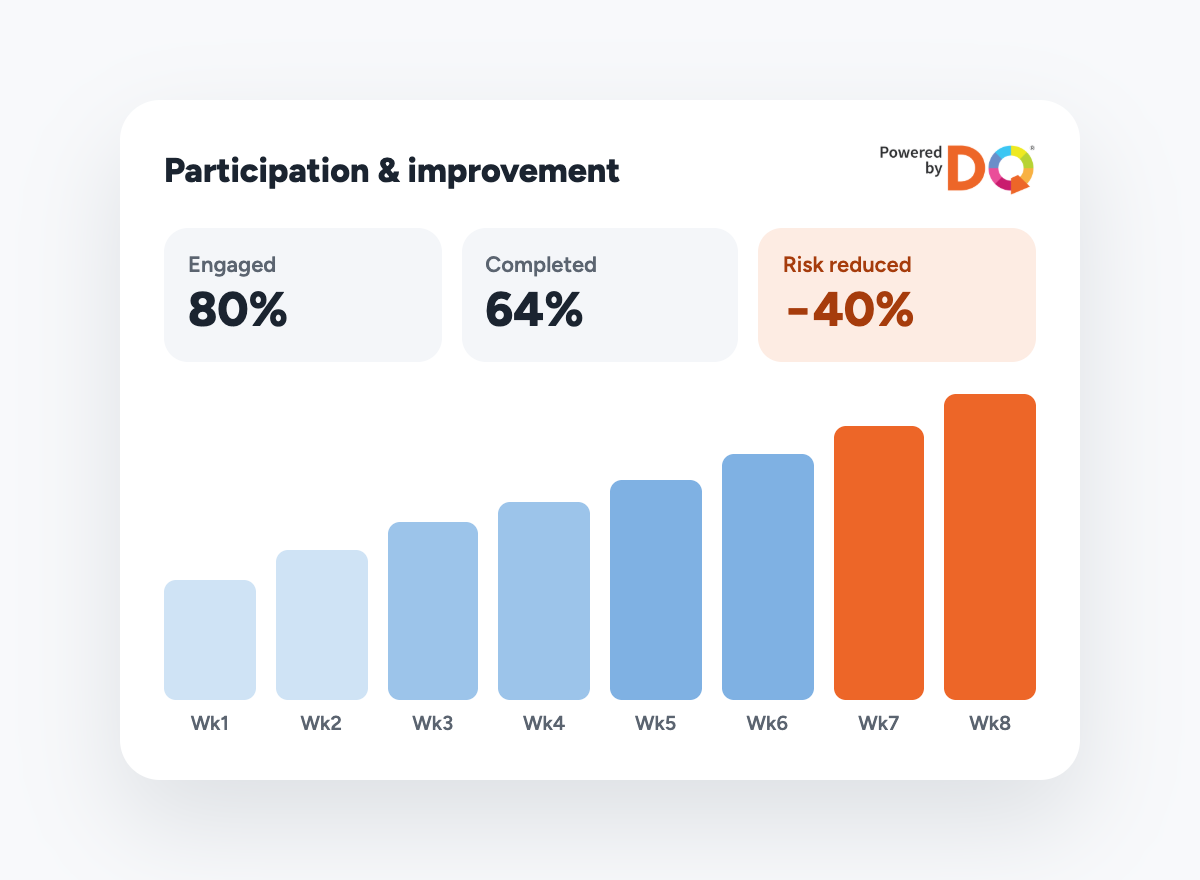
- Monitor learning progress. Participation, completion, and progress by program.
- Guide ongoing improvement. Reassess, refine programs, and spot where more support is needed.
Monitor across every level: Student · Class · Grade · School · School network
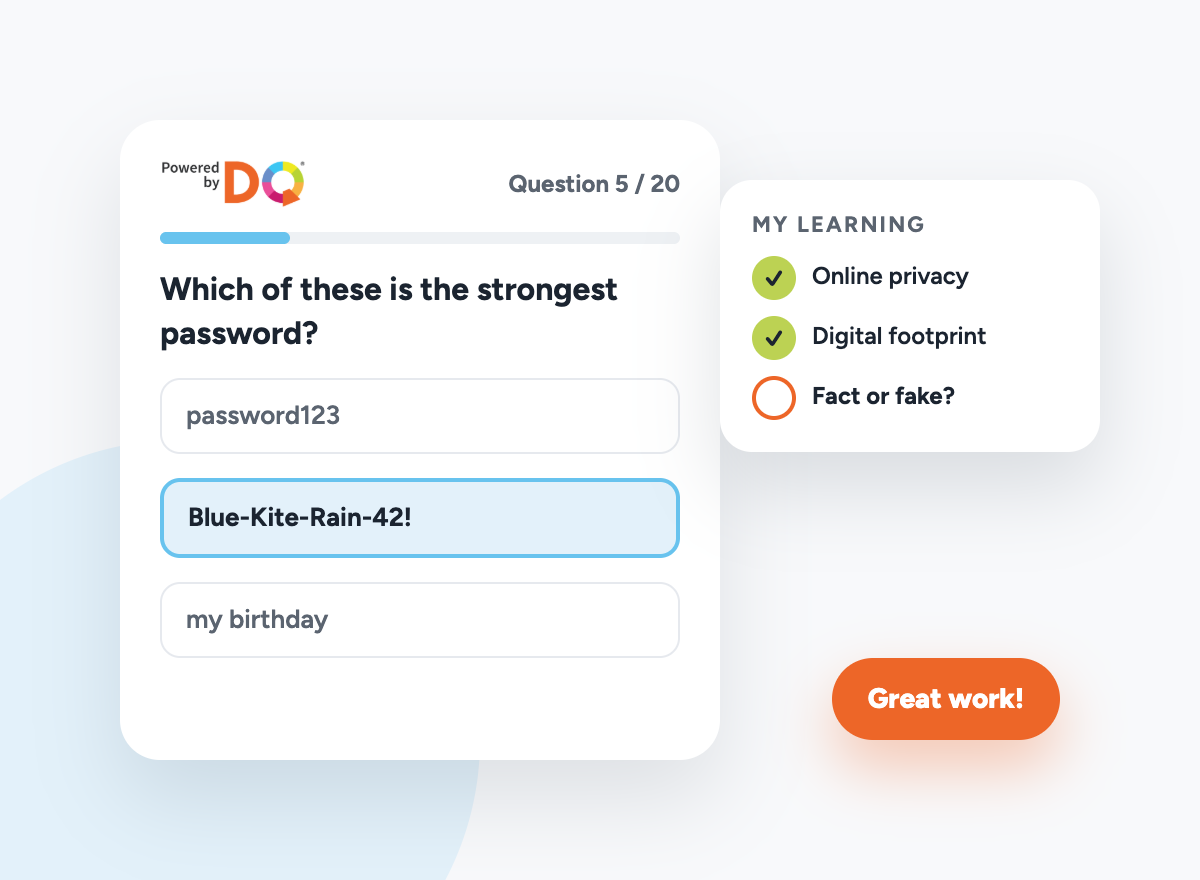
Everything required to measure, deliver and improve.
There are no separate charges for individual school dashboards, scorecards, ordinary teacher or creator accounts, standard program delivery or the core platform features included in the deployment.
Choose how your learning programs are created.
Both models use assessment evidence to guide learning. The difference is who creates and manages the programs.

School-created programs
Empower educators to create learning for their own students.
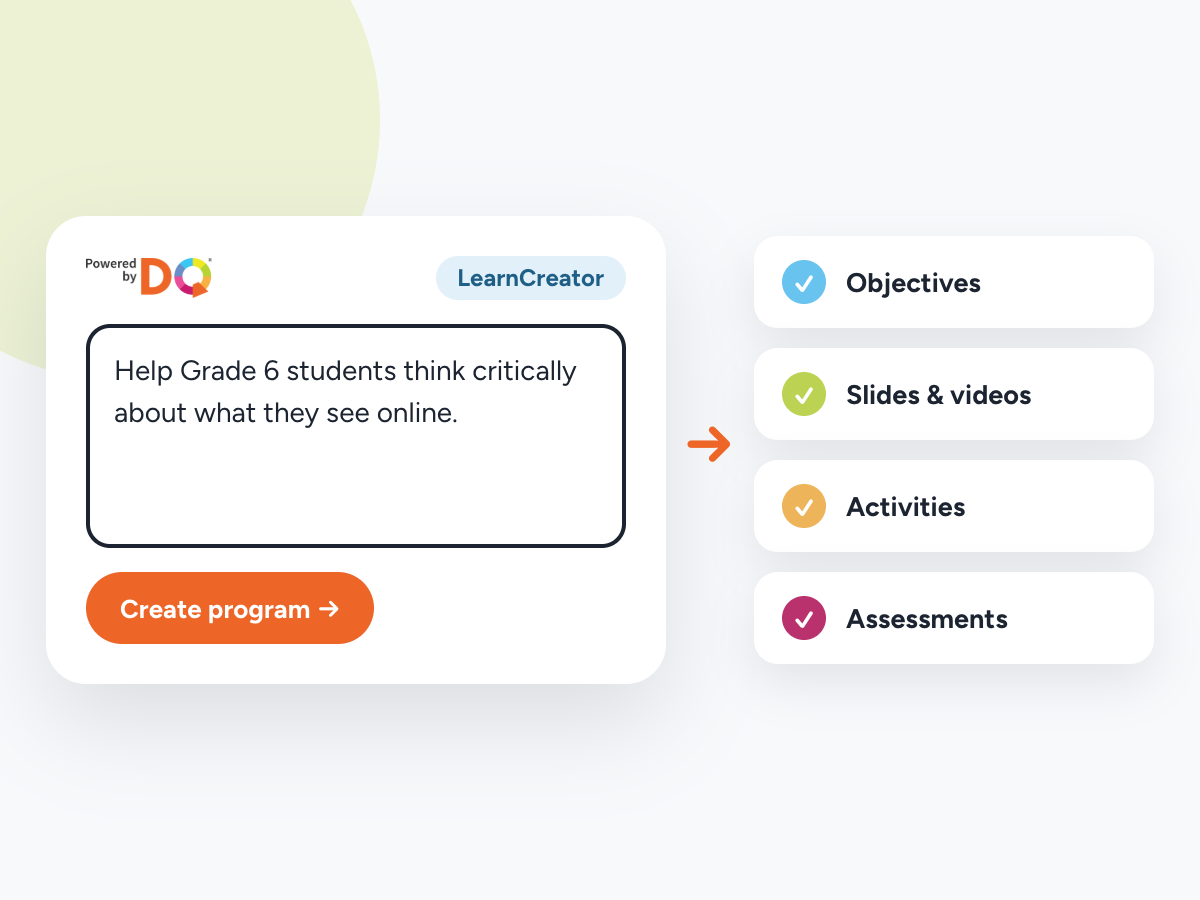
Give educators access to LearnCreator so they can create and adapt programs around their curriculum, subjects and classroom needs.
- Educators create and adapt their own programs
- Learning fits existing subjects and timetables
- Programs respond directly to local student needs
- Greater educator ownership supports long-term adoption
Best for: Schools and networks building sustainable, educator-led capability - that want online safety and digital citizenship embedded into everyday teaching.

Centrally created programs
Maintain consistency across every participating school.
Programs are developed centrally with your delivery provider and distributed to the schools, year groups or learner populations you select.
- Programs created and managed centrally
- Consistent learning across participating schools
- Tailored to assessment results and rollout priorities
- Central visibility of delivery and progress
Best for: School networks, education authorities, and regional or national initiatives that need consistent content, centralized curriculum control, and coordinated delivery.
Why this instead of a one-off safety assembly?
Learning begins with evidence
Schools first establish what students know, experience and need—so teaching is based on evidence rather than assumptions.
Support is targeted
Assessment findings guide the learning, helping schools focus time and resources on the most important capability and risk areas.
It fits existing teaching
Programs can run as dedicated learning or be incorporated into subjects and activities already in the timetable.
Progress is measurable
Baseline and follow-up measurement show whether students’ capabilities improved—not simply whether they attended.
It works across multiple levels
Teachers see their classes. School leaders see the whole school. Network administrators see patterns and priorities across participating schools.
It is nationally and globally aligned
The solution is grounded in the DQ framework underlying IEEE 3527.1™ and informed by more than 100 global and national digital-literacy and child online safety frameworks.
Extend the solution as your initiative grows.
Define your own standard
Use FrameworkCreator to establish grade-by-grade expectations aligned with your curriculum, policies and selected global frameworks.
Validate your programs
Use DQ Stars to evaluate the alignment of existing or newly created programs against the DQ framework.
Add broader benchmarking
Connect eligible results to national or global comparative analysis where the required datasets and methodology are available.
Assess the wider school ecosystem
Extend readiness measurement to parents, educators and school leaders as the relevant assessments become available.
Localize your deployment
Adapt programs, assessments and communications for local languages, cultural contexts and national education requirements.
Built on a globally aligned foundation.
School Child Online Safety Readiness is grounded in the DQ framework underlying IEEE 3527.1™ and can be mapped to your national curriculum and selected international frameworks.
This gives schools a common language for defining, measuring and building the digital competencies students need to participate safely, responsibly and effectively in digital life.
Mapped to your national curricula and preferred child online safety and digital citizenship frameworks.
Measure what students need.Teach to the gaps.Show what improves.
Build a continuous, evidence-led approach to child online safety and digital citizenship across your school or network.