Nearly two decades setting the global agenda on AI-digital literacy.

Since 2009, DQ Institute has moved child online safety and AI-digital literacy from the margins to the heart of the global agenda — creating the concept, the framework, the global standard, and now the platform that turns it into action. What follows is what that has produced, and what partners have built on it.

Nearly two decades of impact setting the global agenda on AI-digital literacy

15+ yrs

of dedicated work since 2009

100+

countries reached

100+

partner organizations

1.5M+

children reached via #DQEveryChild

2.3B+

estimated media reach

IEEE 3527.1

the global standard, used in 100+ countries

803,560

children’s data points in the DQ Index

21+

languages of DQ content

1,000+

frameworks and programs mapped to DQ

Impact stories

Stories of impact

Governments, schools, companies and foundations building on Powered by DQ.

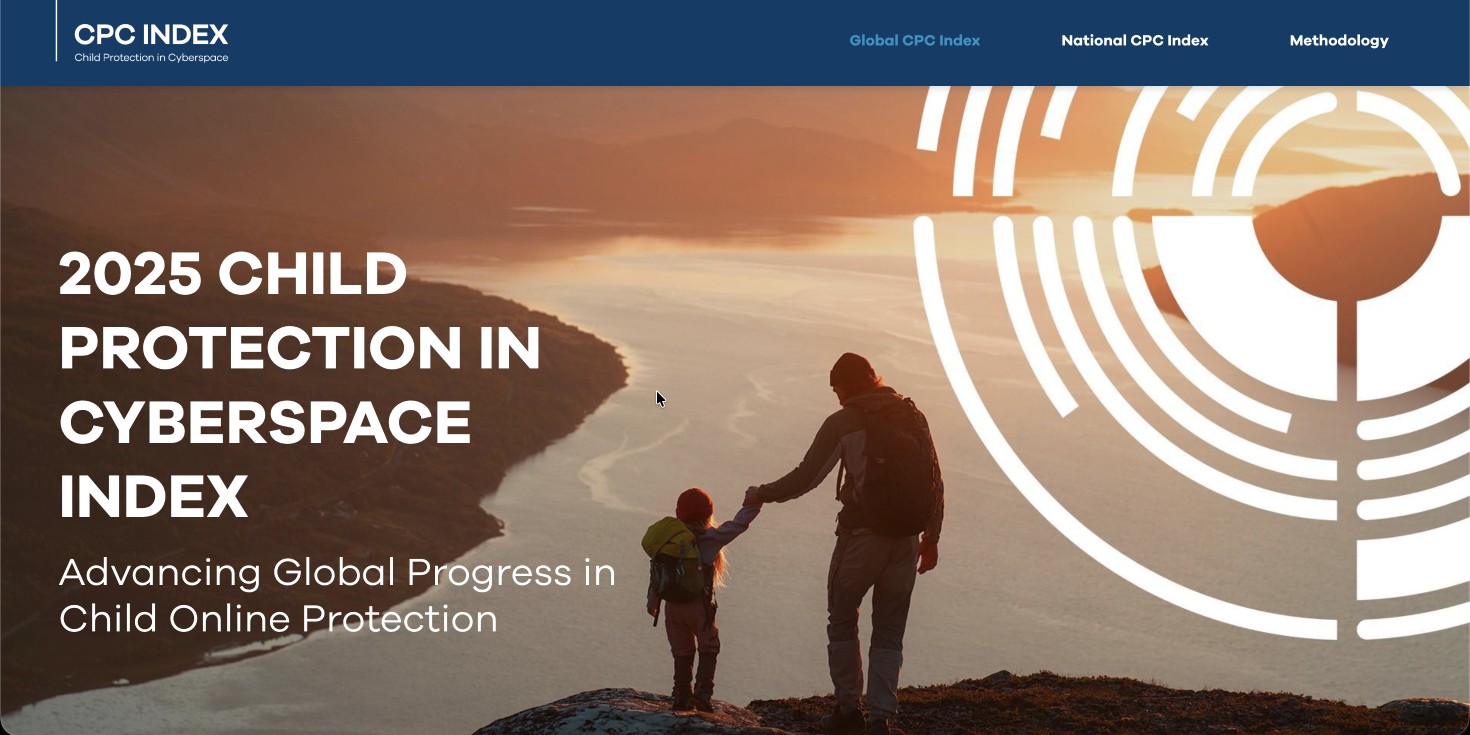
Global Cybersecurity Forum — Child Online Safety & CPC Index
CPC Index logo
Governments and ministries

A global mission to cut child cyber-risk by 15% in five years — measured on Powered by DQ

Child online safety efforts were fragmented across laws, schools, families, and platforms, with no single benchmark to align a whole nation. The CPC Index and its National Toolkit, built on Powered by DQ, give 100 countries the ability to assess children’s digital skills, measure online risks, create targeted safety programs, and track national progress against a global benchmark.

100+

countries covered

150M+

children the initiative aims to reach

−15%

targeted reduction in child cyber-risk over five years

Read the story →Built with · FrameworkCreator · AssessCreator · DQ Stars · DQ Index Connect
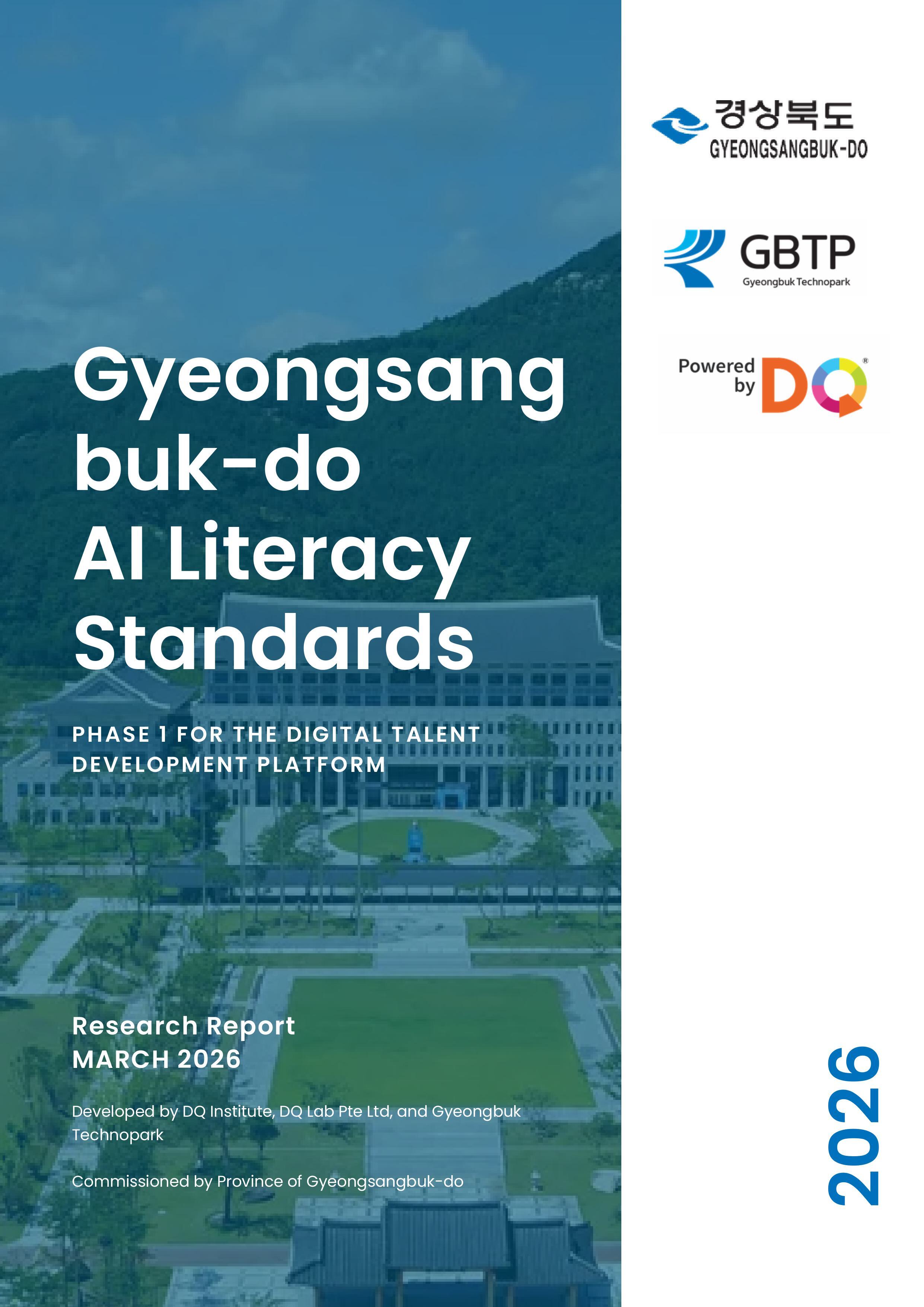
Gyeongsangbuk-do AI literacy standard initiative
Gyeongsangbuk-do Province & DQ Lab logo
Governments and ministries

Gyeongsangbuk-do built a government-owned AI literacy standard, in time for APEC 2025

Korea’s largest province deployed all five capabilities — Define, Measure, Build, Validate, Benchmark — as a globally interoperable ecosystem anchored to IEEE 3527.1, owned end-to-end by the government and positioned as a model for other APEC economies.

2.6M

residents served

5 / 5

capabilities deployed

100+

institutions in the DQ network behind its expansion

“In the AI era, digital capability and ethics decide the future of regions and nations, and we will make the most of it to lead the way in solving the world’s digital challenges together with the DQ Institute.”

— Cheol-woo Lee, Governor of Gyeongsangbuk-do
Read the story →Built with · Workforce AI Readiness · LearnCreator
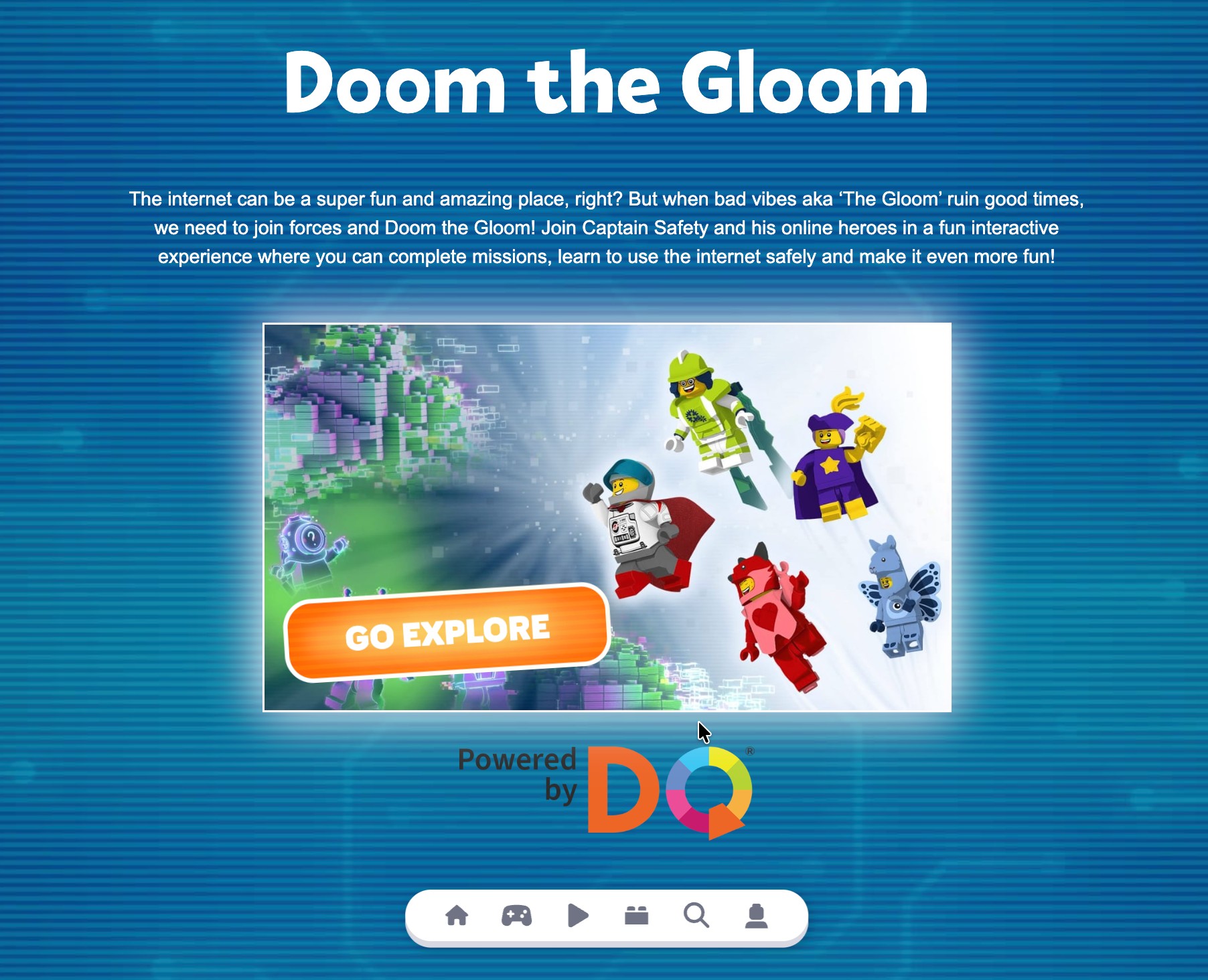
LEGO Doom the Gloom digital citizenship experience
The LEGO Group logo
Companies

LEGO made digital citizenship playful — and won gold for it

Co-developed by the LEGO Group and DQ Institute, Doom the Gloom used interactive videos, mini-games and LEGO Minifigures to help children explore digital empathy, critical thinking, screen-time management, privacy and cybersecurity. Built around eight competencies from the DQ Framework underpinning IEEE 3527.1, the free experience enabled children to create their own digital hero while learning how to contribute to safer, healthier online communities.

20 languages

available to children and families globally

8 competencies

from the DQ digital citizenship framework

Gold Award

2022 Play for Change Awards — Life Skills

“Together we share an ambition to equip children, and also parents, with the knowledge, tools and skills needed to build a generation of responsible digital citizens.”

— Kathrine Kirk Muff, VP of Social Responsibility, The LEGO Group
Read the story →Built with · DQ Stars · LearnCreator
NUS-CTIC Living Well Digitally indicator framework and assessment
NUS Center for Trusted Internet & Community logo
Schools and universities

NUS-CTIC made digital wellbeing measurable across everyday life — and assessed 4,000+ people across four cities on it

There was no common, holistic way to measure how digital life affects people’s everyday wellbeing. Developed by NUS-CTIC, powered by DQ, through two years of research, the Living Well Digitally initiative introduced a Digital Wellbeing Indicator Framework spanning five domains of digital life. Powered by DQ, the framework was transformed into a free assessment that provides individuals with an immediate digital-wellbeing score and practical insights for improvement.

4,000+

people surveyed across Singapore, Seoul, Shanghai and London

23

experts consulted

5 domains

covering the major dimensions of everyday digital life

“Wellbeing is central to our personal health and the health of our societies… The DQ Index provides a barometer to evaluate these competencies.”

— Professor Audrey Yue, Deputy Director, NUS-CTIC
Read the story →Built with · FrameworkCreator · AssessCreator
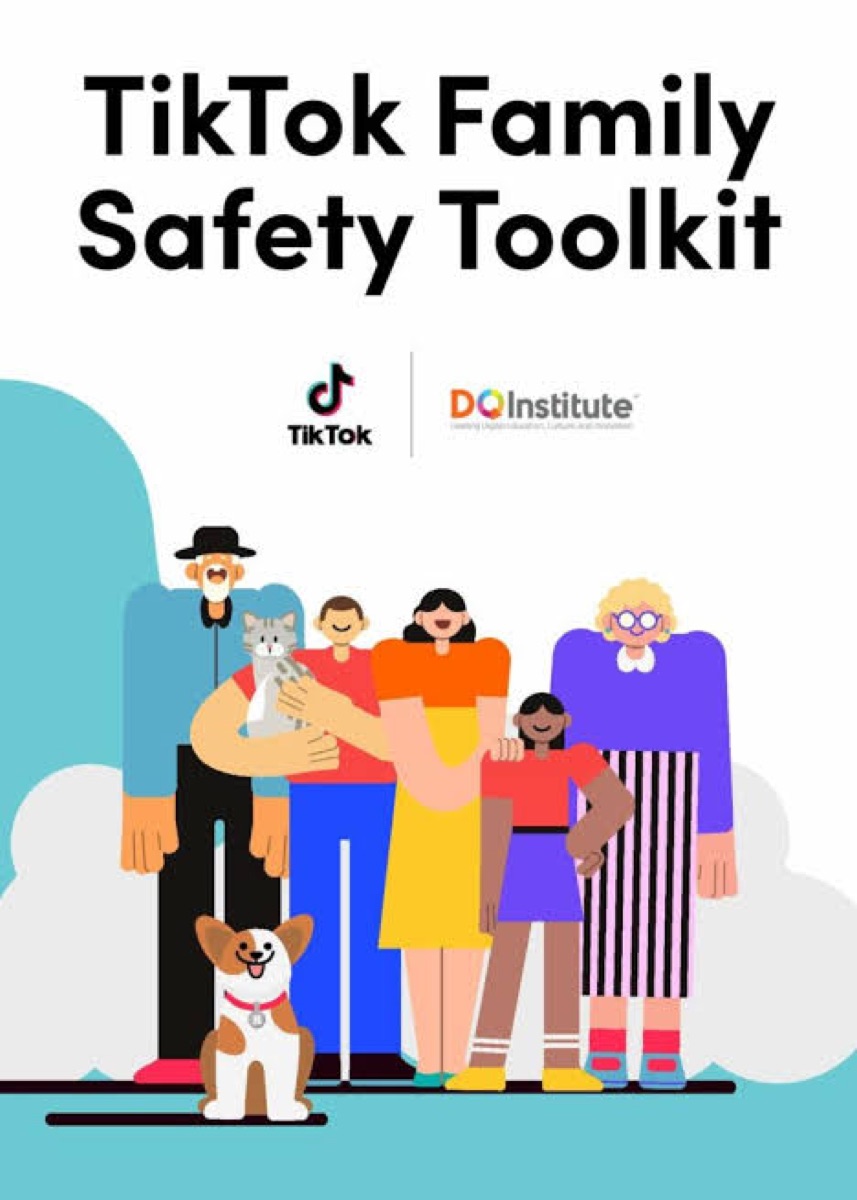
TikTok Family Safety Toolkit Powered by DQ
TikTok logo
Companies

Turning digital-safety standards into practical tools for families across Asia-Pacific

As young people spent more time online during the COVID-19 pandemic, parents needed practical ways to guide their teenagers without having to become technology experts. Platform controls were available, but families also needed to understand when, why and how to use them—and how to talk openly about wider online risks. TikTok developed the TikTok Family Safety Toolkit, Powered by DQ, combining TikTok’s platform-safety features with digital-parenting guidance aligned with the DQ Framework. The toolkit translated digital citizenship principles into ten practical actions that parents and teenagers could complete together. Launched for Safer Internet Day 2021, the toolkit was made available through TikTok’s in-app Safety Center across Asia-Pacific. Publicly documented launches took place in Indonesia, Malaysia and the Philippines, supported by local education, government and youth-serving organizations including Indonesia’s Ministry of Education and Culture, JA Malaysia and JA Philippines.

3+

APEC economies with publicly documented launches

10

practical digital-parenting actions for parents and teenagers

APAC

regional availability through TikTok’s Safety Center

“We’re excited to partner with DQ Institute to launch the TikTok Family Safety Toolkit aligned with the DQ framework.”

— Arjun Narayan Bettadapur, Director, Trust & Safety, TikTok Asia Pacific
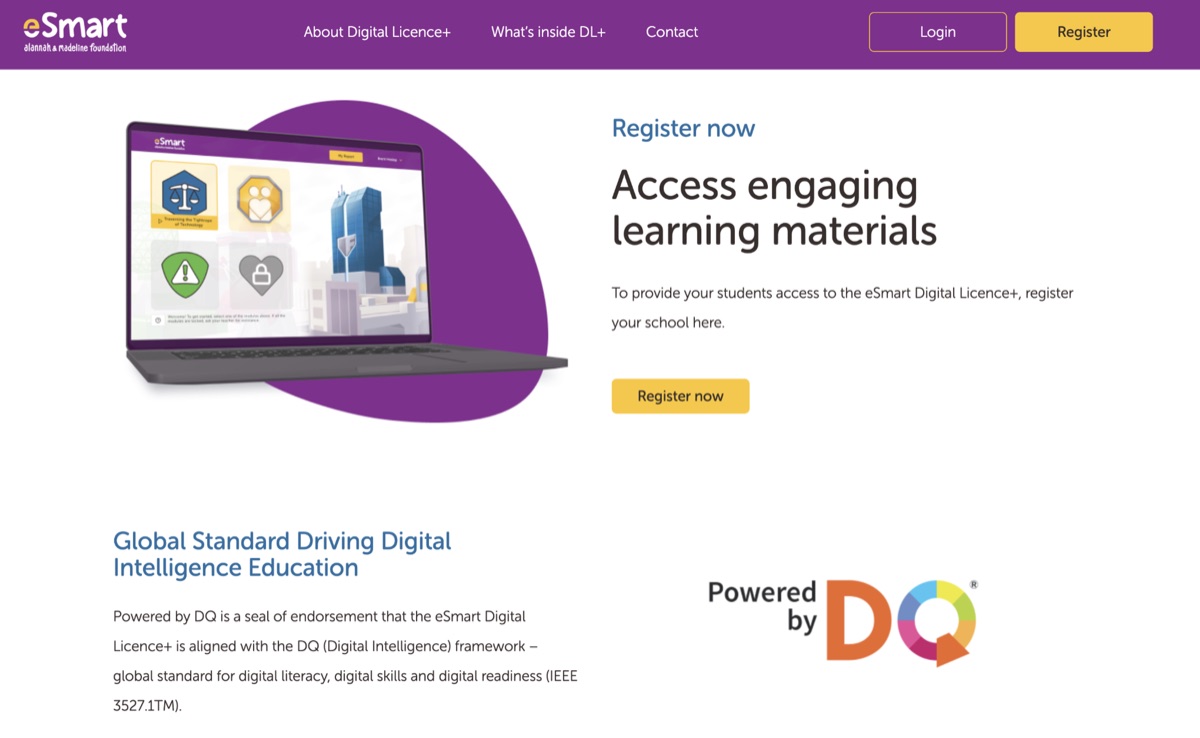
Alannah & Madeline Foundation eSmart Digital License+
Alannah & Madeline Foundation logoAccenture logo
Companies

eSmart Digital License+ became Australia’s leading online safety program — and won $6M in government funding to go further

The Foundation needed a common measurement framework so impact could be proven and compared across programs and countries. It upgraded its Digital License with assessments based on the DQ Global Standard, Powered by DQ, with results feeding the Child Online Safety Index.

278,000 across 4 countries

students protected

83%

demonstrated protective digital skills

74%

intended to improve their online behavior

“The support from Accenture and DQ Institute will enable us to bridge the digital divide which contributes to inequity in education and limits future opportunities for so many children.”

— Sarah Davies AM, CEO, Alannah & Madeline Foundation
Read the story →Built with · DQ Stars · Define, Measure, Build, Validate
World Bank & Kyrgyz Republic national digital-skills system
World Bank logoKyrgyz Ministry of Education logo
Governments and ministries

From teacher training to system transformation in the Kyrgyz Republic

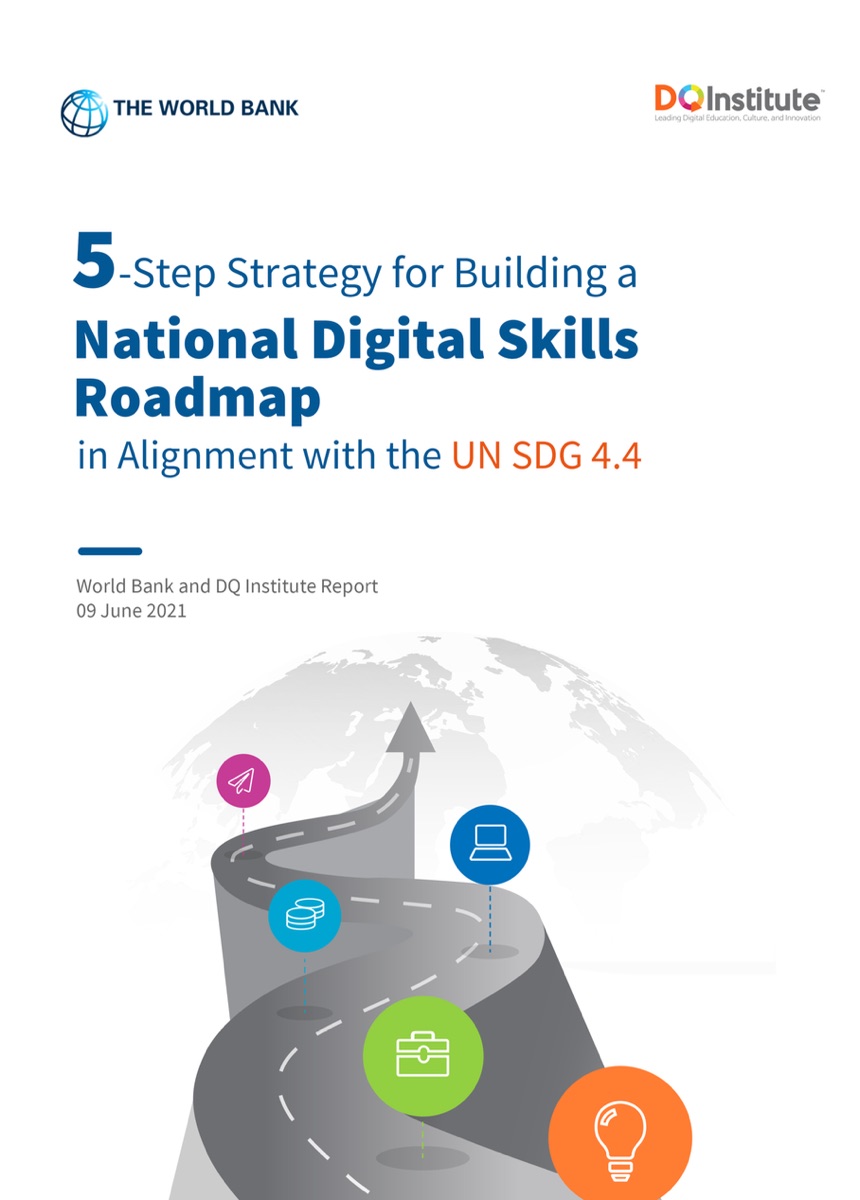
The Kyrgyz Republic was investing in digital infrastructure for schools, but many teachers lacked the competencies and pedagogical preparation to use it effectively. Working with the World Bank, PbDQ developed a five-step methodology for building a national digital-skills system—aligning national goals, benchmarking international frameworks, comparing existing programs, designing improvements, and measuring progress. This architecture informed the country’s digital-skills assessment framework and a pilot combining an 80-hour teacher-training program with 32 weeks of mentoring. The pilot moved teachers’ digital competence from 47.5 to 52.9, advancing the group from B1 Integrator to B2 Expert on DigCompEdu.

36,000

teachers trained—80% women

1,200

schools equipped with IT platforms

141

pilot schools applied the digital-skills assessment frameworks

UAE Ministry of Education Digital Literacy Cross-Curricular Framework
UAE Ministry of Education logo
Governments and ministries

Designing a K–12 digital-literacy framework connecting AI and sustainability

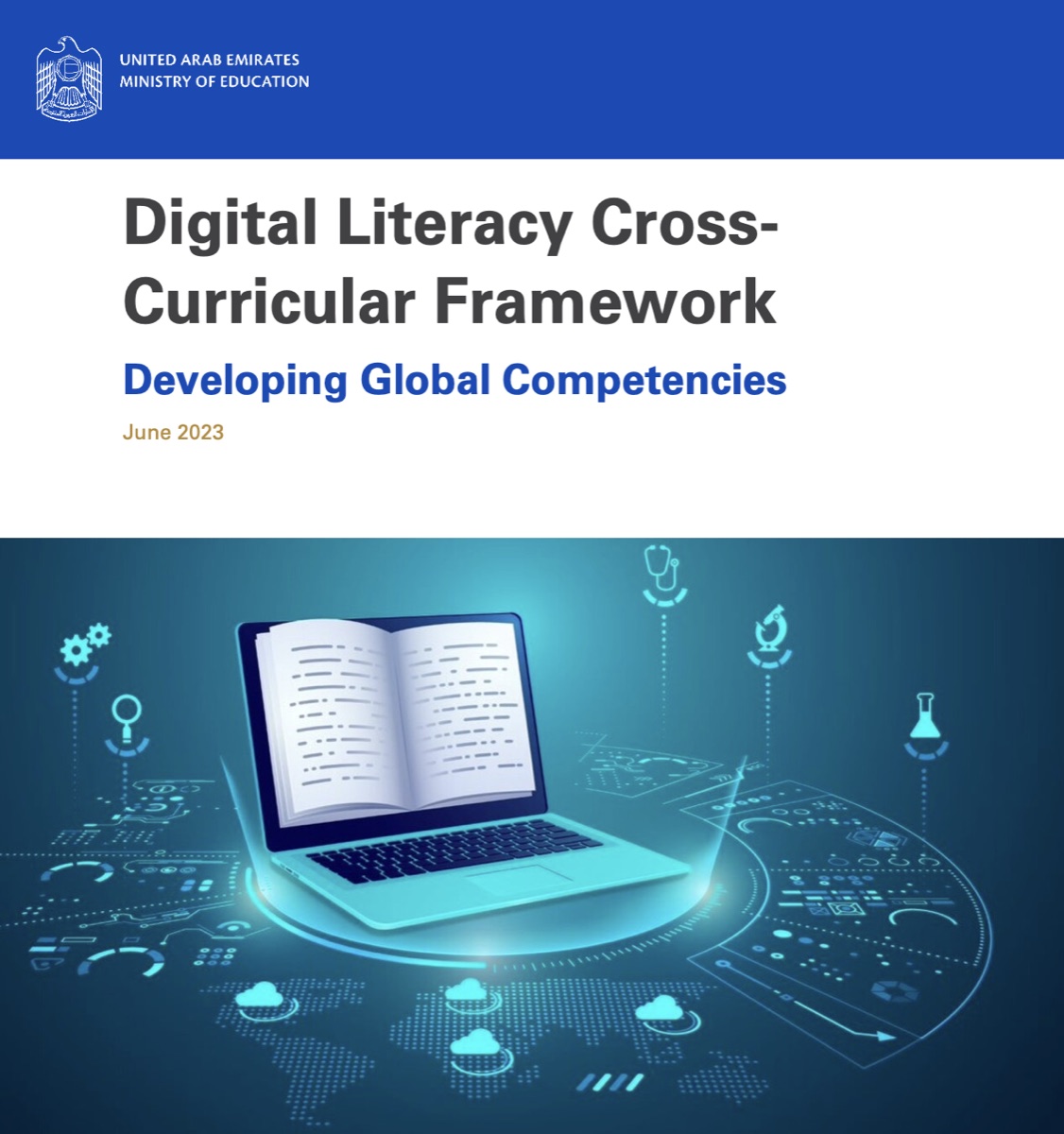
The rapid development of generative AI created a need to prepare students not only to understand new technologies, but to use them safely, ethically, creatively and sustainably. The UAE Ministry of Education sought a coherent framework that could embed these capabilities throughout school education rather than confining them to a single technology subject. In collaboration with the DQ Institute, the Ministry developed the Digital Literacy Cross-Curricular Framework (DLCCF) through a process of consultation, review and iteration. Designed for learners from kindergarten to Grade 12, the framework translated the DQ Framework underlying IEEE 3527.1™ into age-appropriate learning outcomes that could be applied across subjects. The DLCCF brought together four connected domains: Citizenship and Protection, Information and AI Literacies, Communication and Collaboration, and the Digital Economy. It also introduced sustainability, digital wellbeing, safety, ethics and responsible AI use as connected elements of digital literacy. The result was a structured reference framework through which curriculum teams could identify digital-learning opportunities across grade levels and subjects, while connecting the UAE’s educational priorities with a globally aligned foundation.

K–12

age progression covered by the framework

4

connected digital-literacy domains

1

cross-curricular structure linking AI literacy, responsibility and sustainability
Two decades of impact

How a standard became a system

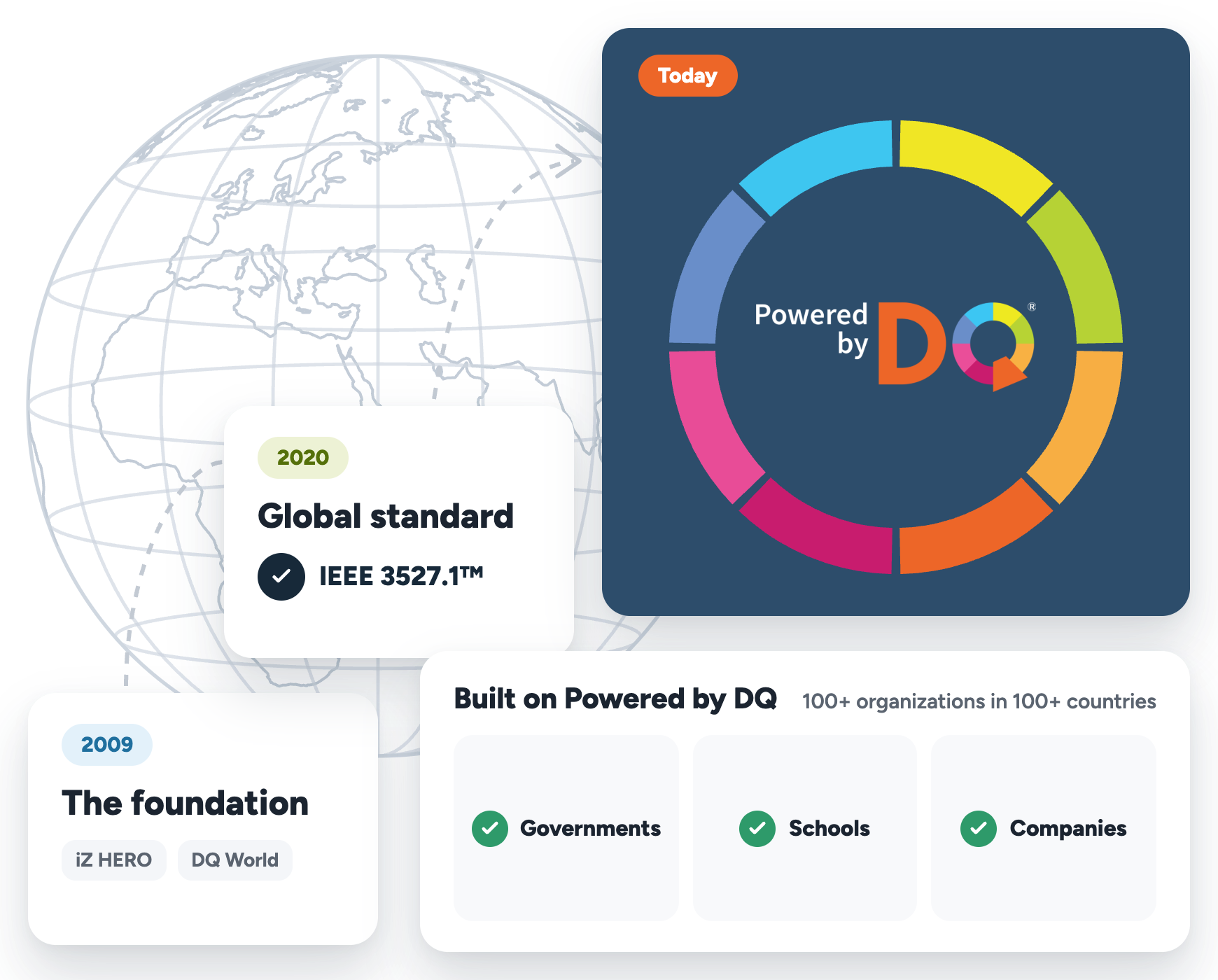
  1. 2009–2016

    The foundation

    The framework takes shape: research-based digital citizenship education built through iZ HERO and DQ World in Korea and Singapore, then codified as Digital Intelligence and introduced through the World Economic Forum.

  2. 2017–2020

    From movement to standard

    The framework becomes a global standard: #DQEveryChild reaches more than 1.5 million children across 80+ countries through 100+ partners; IEEE 3527.1™, the DQ Global Standard, is published in 2020; and the Child Online Safety Index provides countries with the first national-level measure of child online safety, contributing to discussions on measurement for the G20 digital economy.

  3. Today

    Powered by DQ

    The standard becomes operational: 1,000+ frameworks and programs at its foundation, letting anyone build a curriculum ~100× faster and at ~1% of conventional cost.

This video traces Dr Yuhyun Park, the founder of DQ Institute, from pioneering iZ HERO and DQ World to advancing #DQEveryChild, IEEE 3527.1™, and Powered by DQ.

Build the next story on it.

Configure and get pricing